
Blogging for Handmade Businesses
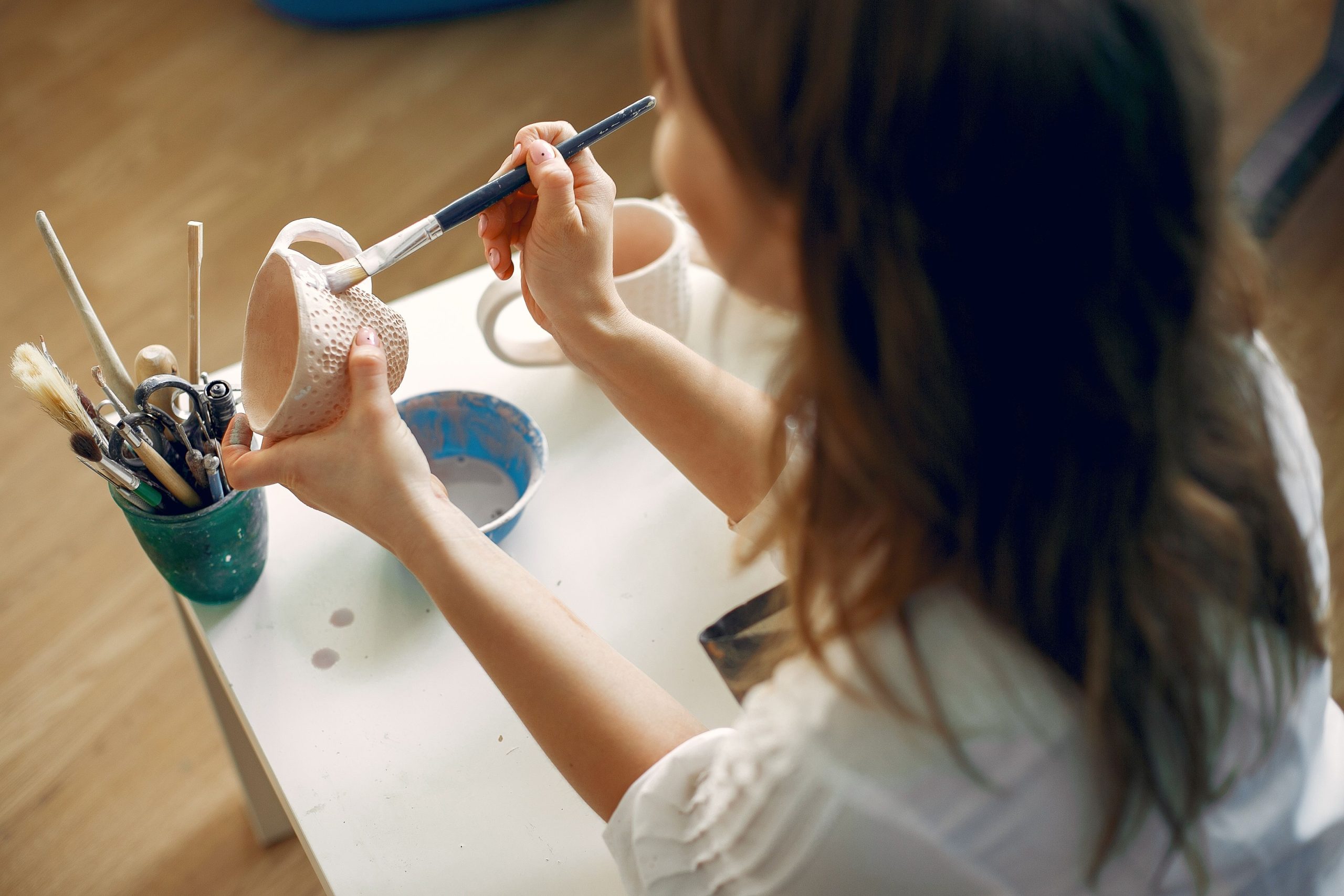
Handmade businesses are competing with mass production on one thing machines can’t replicate: a real story behind the product. Whether you sell through your own site, at craft fairs, in a local shop, or all three, a blog is where that story actually gets told, not just implied by a “handmade” label.
Why the story matters as much as the product
A mass-produced item competes on price and convenience. A handmade item can’t win that fight, and doesn’t need to. It wins by offering something a factory can’t: a real person, a real process, and a real reason the extra time and cost is worth it. A blog is the natural place to make that case in detail, in a way a product photo and a two-sentence description never fully can.
Content that shows, not just claims, the difference
- Process posts. Walk through how a piece is actually made, from raw materials to finished product. This is often the single most convincing content a handmade business can publish, because it makes the labor and skill visible.
- Material and sourcing stories. Where your materials come from and why you chose them, especially if sustainability, local sourcing, or quality are part of what sets you apart.
- Care instructions. Handmade goods often need different care than mass-produced equivalents. A clear care guide builds trust and reduces support questions at the same time.
- Seasonal or limited collections, explained. If you release small batches or seasonal lines, a post explaining the inspiration and limited availability adds context that makes the release feel intentional rather than random.
- The maker’s own story. Why you started, what draws you to your craft, and what’s changed since you began. People connect with people, not just products.
For a broader list of post ideas built around physical products, see Blog Post Ideas for Product-Based Businesses.
Blogging works across every sales channel, not just one
Unlike a single marketplace listing, your blog isn’t tied to any one place you sell. A well-written process post can drive traffic whether you’re currently selling through your own site, a marketplace, a local shop, or a seasonal craft fair booth. It’s also something you can point people to directly, on a business card, a market sign, or a social bio, giving in-person customers a reason to stay connected after they’ve met you once.
Photography still does a lot of the work
Handmade products are visual by nature, so pair your process and story posts with genuinely good photos, in-progress shots, workspace photos, and finished product close-ups, not just polished final product images. The contrast between raw materials and finished piece is often the most compelling part of a process post.
Where to start
Begin with one process post for your signature product, one care guide, and one post about why you started making what you make. Those three cover the emotional case, the practical case, and the trust-building case for buying handmade, and give you a solid foundation to build from.